Sensitivity to sound: understanding why everyday noise can feel overwhelming

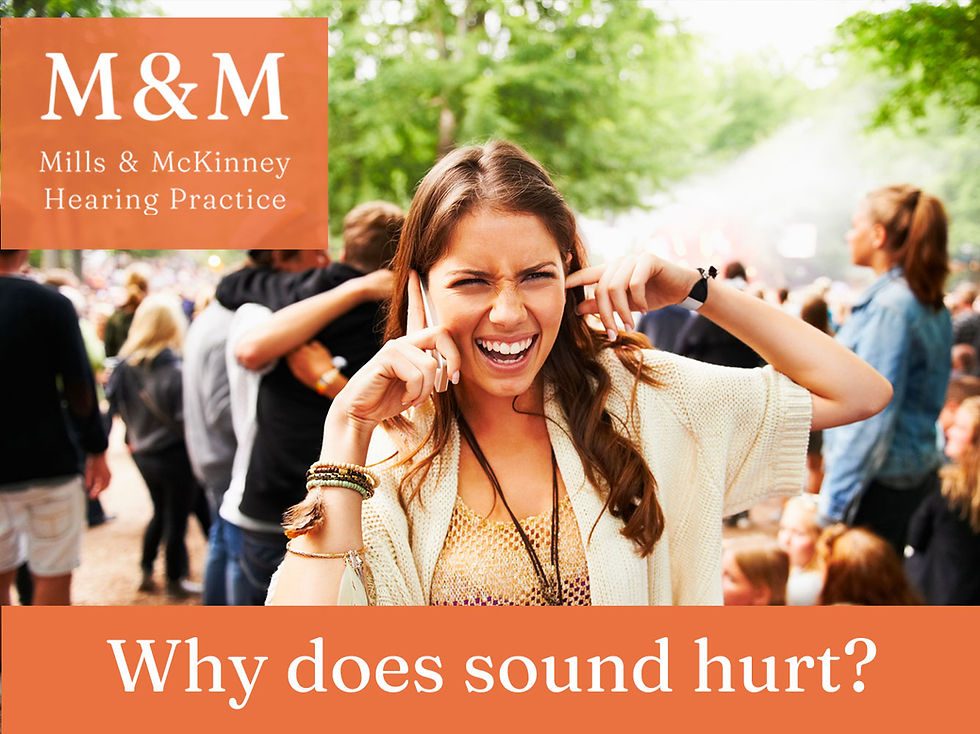
For most people, sound fades into the background of daily life - a passing car, a humming fridge, a busy café. But for others, these same sounds can feel intrusive, uncomfortable, or even distressing. Sound sensitivity is more common than many realise, and it exists in several distinct forms, each with different causes and implications.
Whether you are experiencing sound sensitivity yourself or supporting a child or family member - understanding these differences is key to finding the right support.
What do we mean by sound sensitivity?
Sound sensitivity is an umbrella term describing an increased or unusual reaction to everyday sounds. Clinically, it can involve altered perception of loudness, emotional responses to specific sounds, or even physical discomfort.
It is often associated with conditions such as hearing loss, neurological differences, or auditory processing changes - but it can also occur independently.
The main types of sound sensitivity
Although people often use the term loosely, there are several recognised types of decreased sound tolerance. Distinguishing between them is important because management strategies differ.
1. Hyperacusis: when sound feels too loud
Hyperacusis is a condition in which everyday sounds are perceived as uncomfortably or even painfully loud.
Common features include:
Discomfort from sounds that others consider normal (e.g. running water, cutlery, traffic)
A reduced tolerance for volume across many types of sound
Physical sensations such as ear pain or pressure
Hyperacusis is often linked to changes in how the brain processes sound, rather than a problem with the ears themselves. It may occur alongside hearing loss, after noise exposure, or in association with conditions like migraine.
2. Misophonia: when specific sounds trigger strong emotions
Misophonia is characterised by intense emotional reactions to specific trigger sounds - such as irritation, anger, or anxiety.
Typical triggers include:
Chewing or eating noises
Breathing or sniffing
Repetitive tapping or clicking
Unlike hyperacusis, the issue is not loudness but the meaning or pattern of the sound. The response is immediate and involuntary and can significantly affect relationships and daily functioning.
3. Phonophobia: fear of sound
Phonophobia refers to a fear-based response to sound. It is often associated with anxiety disorders or migraines.
People with phonophobia may:
Anticipate that sounds will be harmful or overwhelming
Avoid environments where noise is unpredictable
Experience heightened anxiety in noisy settings
This form of sensitivity is less about the auditory system itself and more about the brain’s threat response.
4. Auditory overload and sensory processing differences
Sound sensitivity is also common in individuals with sensory processing differences, including those with auditory processing disorder, and some neurological differences such as autistic spectrum disorder. Please see Auditory Processing Disorder (APD). When the ears hear but the brain struggles.
In these cases:
The brain may struggle to filter or prioritise sounds
Background noise can feel as prominent as foreground speech
Busy environments (e.g. classrooms, shopping centres) can quickly become overwhelming
Children may cover their ears, withdraw, or become distressed—not because sounds are objectively loud, but because they are difficult to organise and interpret.
Why does sound sensitivity happen?
There is no single cause. Instead, sound sensitivity reflects differences in how the auditory system and brain interact.
Possible contributing factors include:
Changes in central auditory processing (how the brain interprets sound)
Heightened neural gain (the brain amplifying incoming signals)
Emotional and limbic system involvement (linking sound with threat or discomfort)
Past experiences, including noise trauma or chronic stress
Importantly, sound sensitivity is real and measurable - even when standard hearing tests appear normal.
Impact on daily life
Sound sensitivity can affect far more than comfort. It often has wider social and emotional consequences:
Social withdrawal due to difficulty tolerating busy environments
Fatigue from constant effort to manage sound exposure
Anxiety or low mood, particularly when sensitivity limits participation
Challenges in education or work, especially in noisy settings
For children, this may influence learning, friendships, and behaviour. For adults, it can shape career choices, relationships, and overall wellbeing.
Supporting individuals with sound sensitivity
Management depends on the type and severity of sensitivity, but a few general principles apply.
Avoid overprotection
It may seem intuitive to block out sound entirely, but excessive use of earplugs or avoidance can sometimes increase sensitivity over time.
Gradual sound exposure
For some conditions (particularly hyperacusis), carefully managed exposure to everyday sounds can help the auditory system recalibrate.
Environmental adjustments
Improving acoustics (soft furnishings, reduced echo)
Minimising unnecessary background noise
Creating quiet retreat spaces
Psychological support
For conditions like misophonia or phonophobia, approaches such as cognitive behavioural therapy (CBT) can help manage emotional responses.
Professional assessment
Audiologists, psychologists, and specialist therapists can help identify the specific type of sensitivity and guide treatment.
A more nuanced understanding of sound
Sound sensitivity challenges a common assumption: that hearing is simply about detecting volume. In reality, it is a complex interaction between the ears, the brain, and our emotional systems.
Recognising the different types of sound sensitivity - whether hyperacusis, misophonia, phonophobia, or sensory processing differences - allows for more precise, compassionate support.
With the right understanding and interventions, individuals can move from a world that feels overwhelming to one that is manageable, predictable, and more comfortable to engage with.


Comments